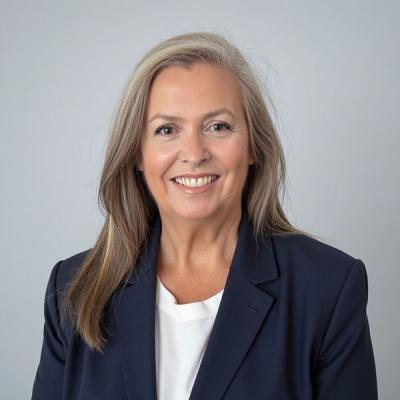
Join us for an engaging webinar introducing the Reflect4Success Framework, based on the doctoral research of Dr Suzi Skinner and includes insights gained from applying the framework with leaders in multi-national organisations.
The session will cover the critical importance of reflection to enhance leader self-efficacy. The Reflect4Success Framework can be applied to individuals and teams, building leader confidence, team resilience, and collective impact. The session will explore how leaders and teams can shift from isolated reflection to “growing with-and-through-others” (WATO), using evidence-based tools and micro-practices,
What You’ll Experience:
The three pillars of the Reflect4Success Framework: Reflect4Good (Choosing Positivity), Reflect4Growth (Symbiotic Growth), and Reflect4Life (Reflective Momentum)
The WATO philosophy: why resilience is social and how reciprocal learning accelerates results Practical exercises that you can use immediately - individually, in your client engagements in pairs, or with teams. Real-world examples of how teams have embedded these practices.
Who Should Attend:
Leaders, coaches, HR professionals, and anyone seeking to foster a more positive, connected, and high-performing team culture through constructive reflection practices that build individual and collective efficacy.
Takeaways:
A roadmap and tips for embedding Reflect4Success practices with your clients
Continuing Education Credits:
This webinar is pending CEU approval from The International Coaching Federation (ICF). This webinar is approved for 1 CEU from EMCC Global, Association for Coaching and Wellcoaches.
In order to receive credit you must attend live and complete a survey after the webinar (emailed the day after the webinar).
Watching a recording will not qualify you for CEUs.
Please note that AI recordings, notetakers, or any similar technology, is prohibited to protect confidentiality. Also, a notetaker or bot does not count towards your attendance of a live event. To be eligible for CEUs for live events, the participant themselves must be in attendance.
Meet Our Speaker